The interface between steel and plastic
More than the final machined contour.
The mould surface directly influences demoulding, deposit formation and wear at the interface between the mould and the part.
Explore surface strategy
Surface engineering for injection moulds
We develop surfaces that measurably influence demoulding, deposit formation and process stability – starting with your specific application.
Surface strategy
The interface between steel and plastic
The mould surface directly influences demoulding, deposit formation and wear at the interface between the mould and the part.
Explore surface strategySurface strategy
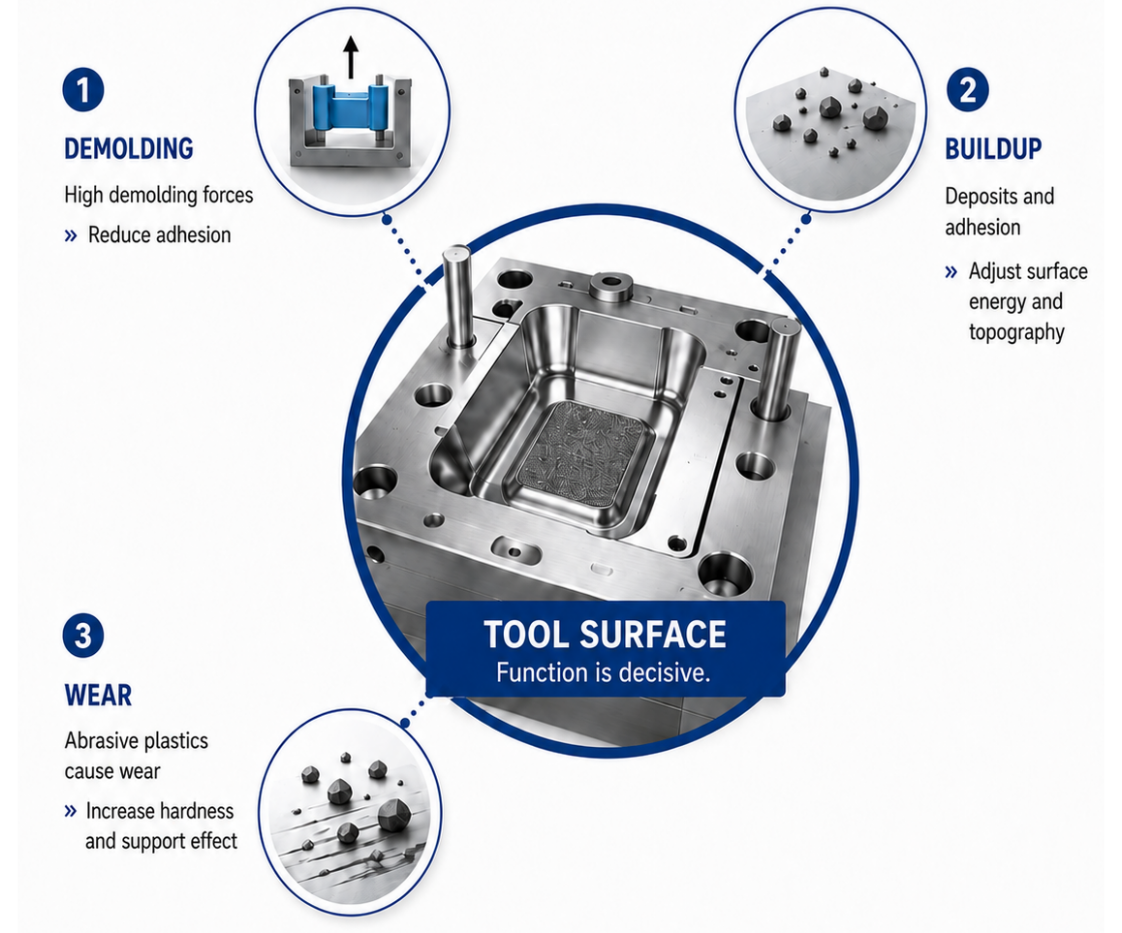
The interface between steel and plastic
The mould surface directly influences demoulding, deposit formation and wear at the interface between the mould and the part.
Explore surface strategy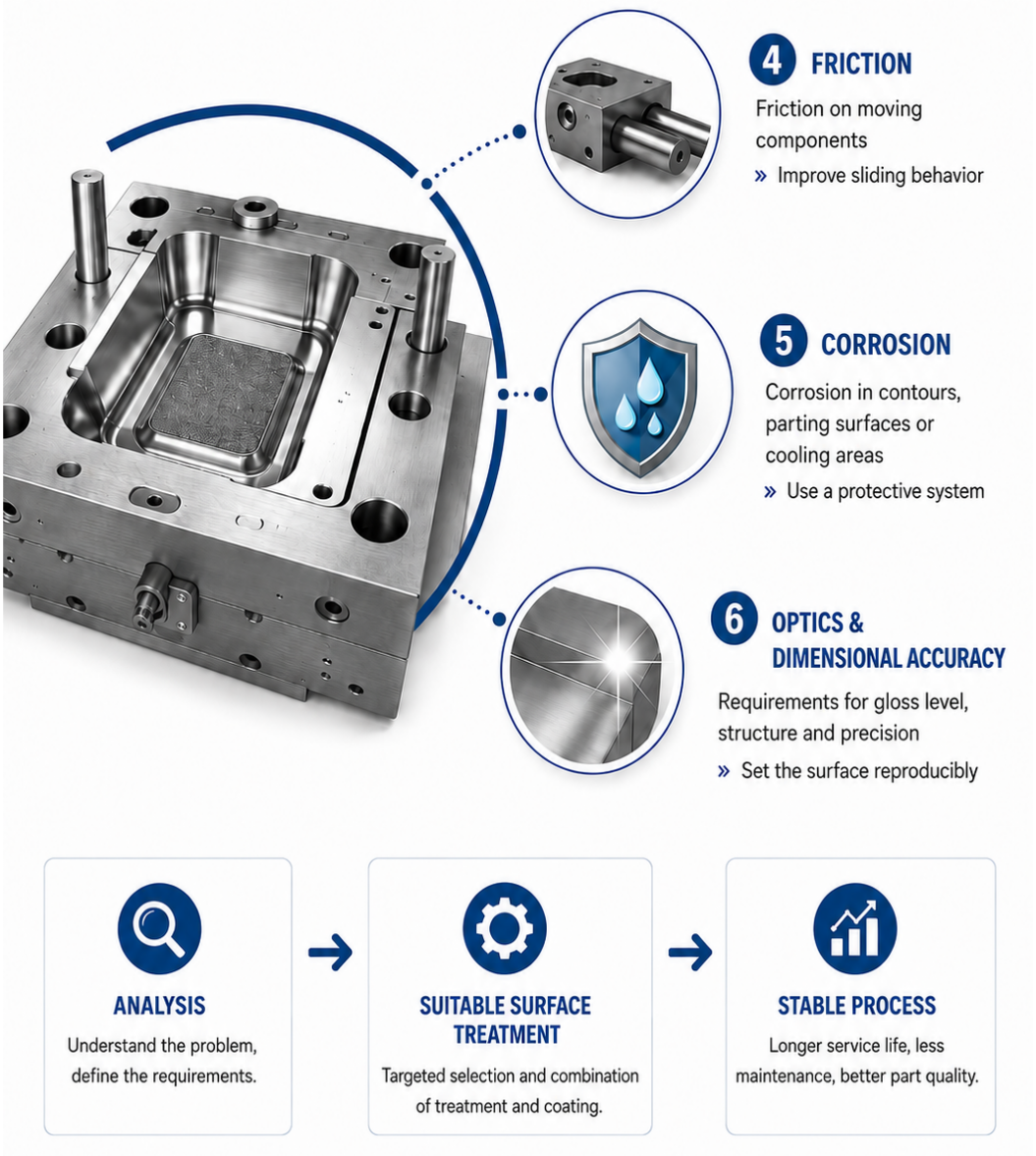
From problem to function
Friction, corrosion, appearance and dimensional accuracy require different properties. Plastic, geometry, tool material and production conditions are considered together.
Explore all process challengesNanostructuring
No added coating
An adapted micro- and nanotopography reduces the effective contact area and influences adhesion and demoulding – without adding a coating or changing the part geometry.
Nanostructuring in detailNanostructuring
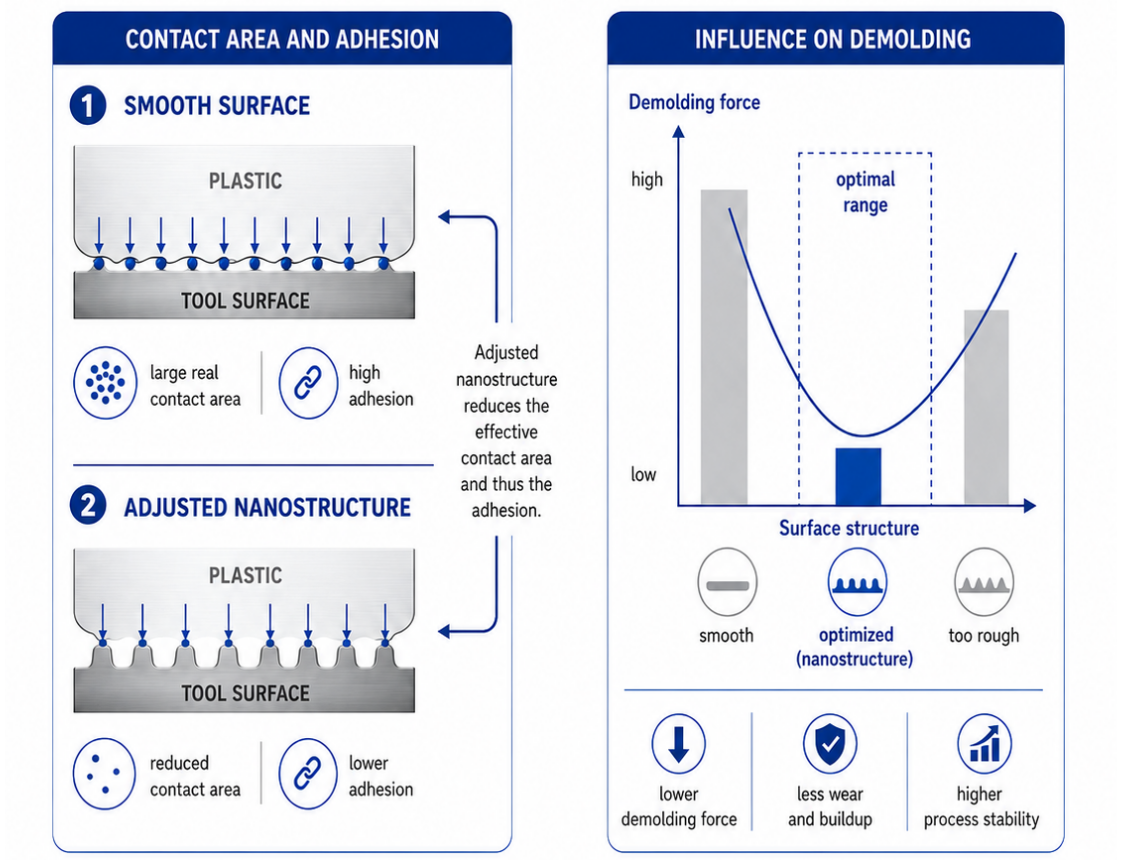
No added coating
An adapted micro- and nanotopography reduces the effective contact area and influences adhesion and demoulding – without adding a coating or changing the part geometry.
Nanostructuring in detail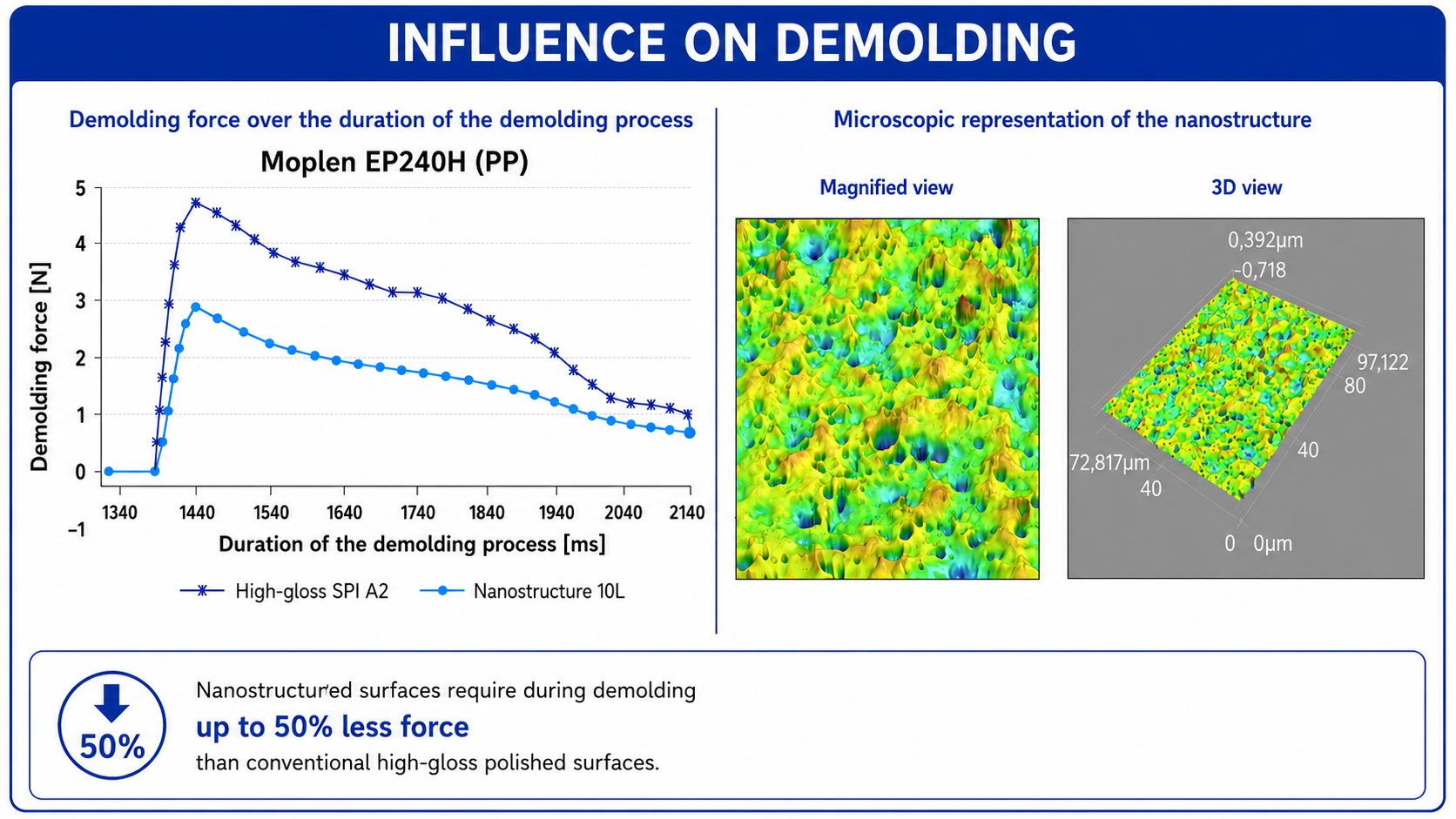
Making the effect visible
In the measurement comparison shown, nanostructure 10L requires up to 50% less demoulding force for PP than a high-gloss polished surface. 3D topography and microscopy make the effect visible.
View the measurement comparisonA system of structure and coating
Modular toolkit
Base treatment, diffusion zone, interlayer and functional layer form an application-specific toolkit. Depending on the task, a single step may suffice, or a coordinated process chain can be used.
Explore functional coatingsA system of structure and coating
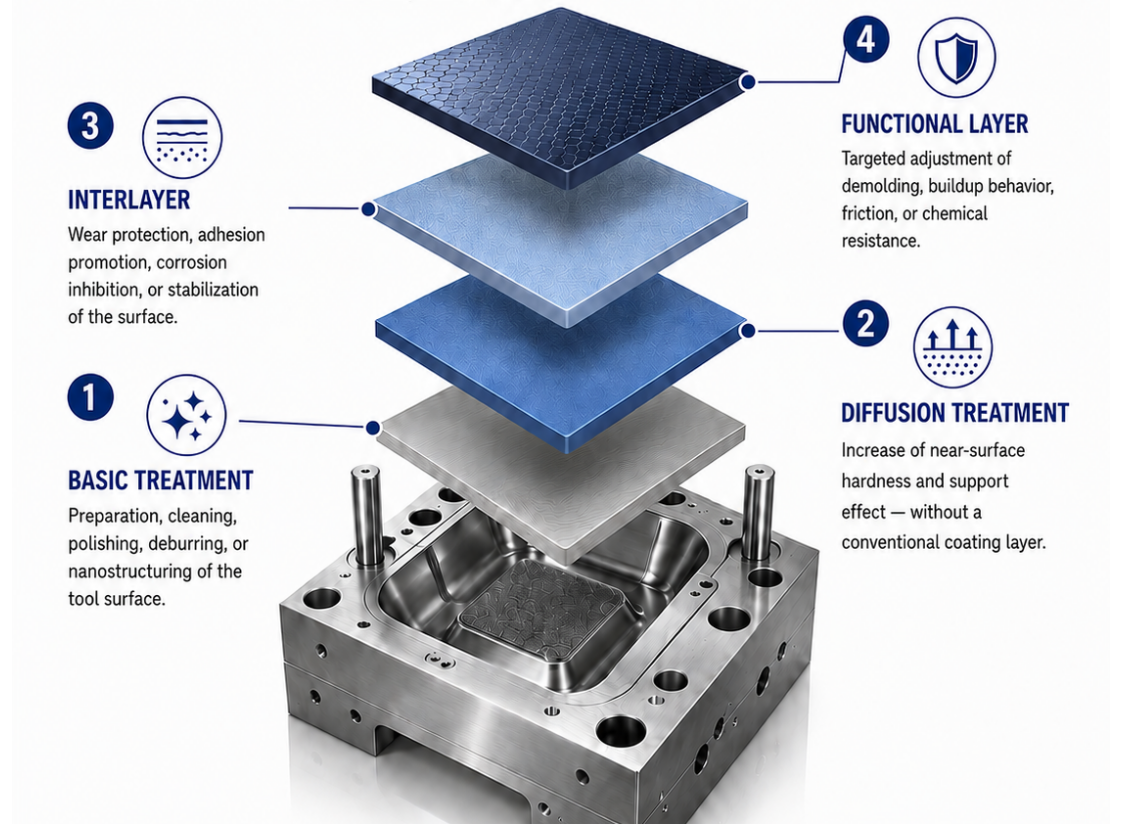
Modular toolkit
Base treatment, diffusion zone, interlayer and functional layer form an application-specific toolkit. Depending on the task, a single step may suffice, or a coordinated process chain can be used.
Explore functional coatings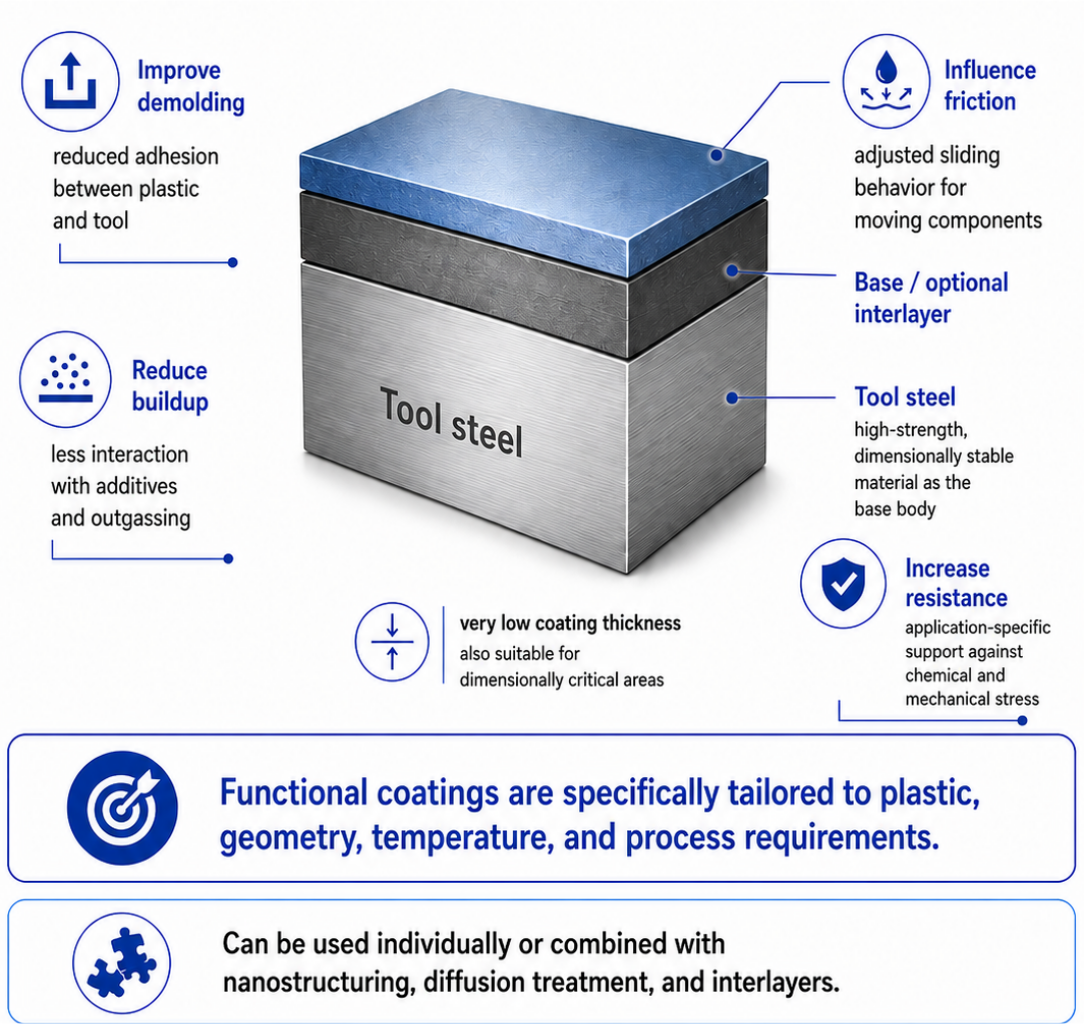
The effect in the process
The desired function takes priority: less adhesion, fewer deposits, defined friction behaviour and greater chemical or thermal resistance. CrN and DLC are possible components, rather than the starting point for selection.
Coating systems in detailFrom surface to solution
Plastic, mould, geometry and process requirements determine the right nanostructure, functional coating or combination of treatments. Explore the individual processes and how they work together for your application.
Technical expertise that delivers in production
Gloss & Coating combines locally produced surface treatments with expert advice and continuous development. The aim is improved mould performance that reduces scrap during start-up and series production while conserving resources.